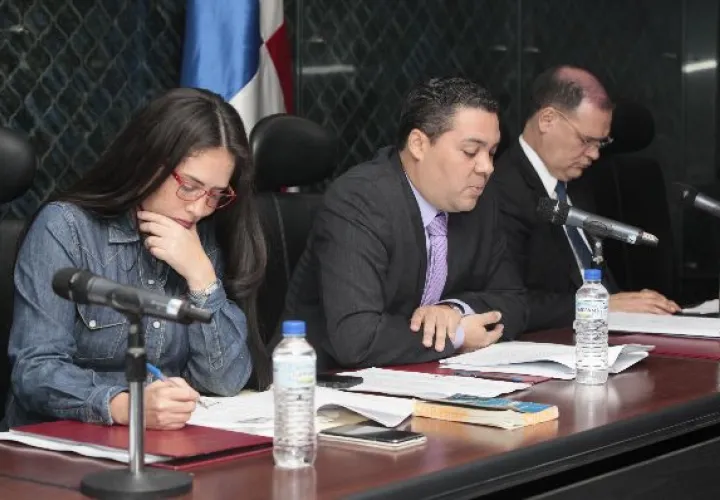
The call to a first discuss of the law project 292, which reforms the Electoral Code, finally confirm the fear of various social sectors: Failure of deputies to support the proposal.
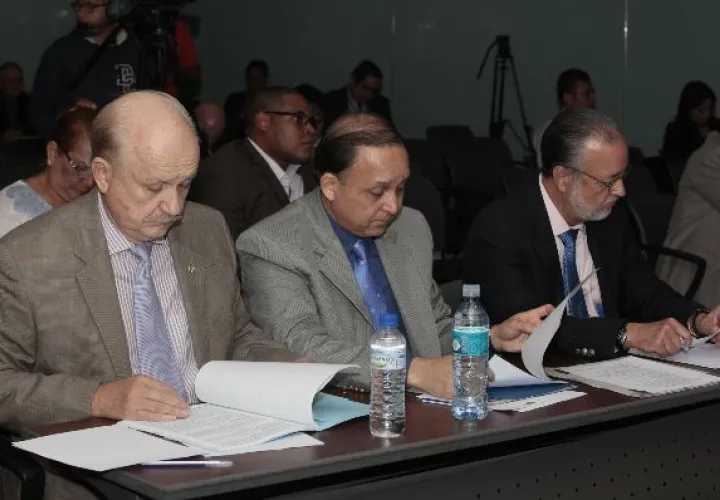
And is that although had been endorsed by representatives of the legislative reform package yesterday, late, several members of the Government Commission decided to meet separately. Only a group of three deputies headed by the President of the Government Commission, Pedro Miguel González, attended the event.By the only Reform Commission attended the three judges of the Electoral Tribunal, Eduardo Valdes Escoffery, Erasmo Pinilla and Heriberto Arauz. In turn, independent, Juan Jované and Gerardo Solis.
Content
The discussion includes a number of topics proposed by the National Commission on Electoral Reforms (NC SR) for the electoral propaganda is financed only through state resources and administered by the Electoral Tribunal.
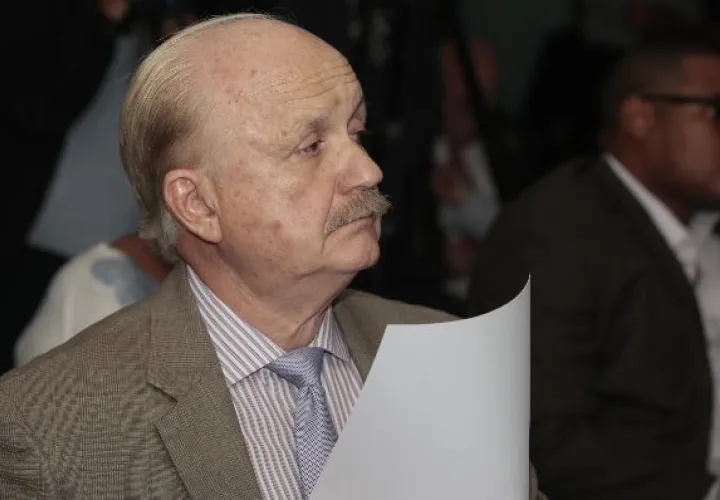
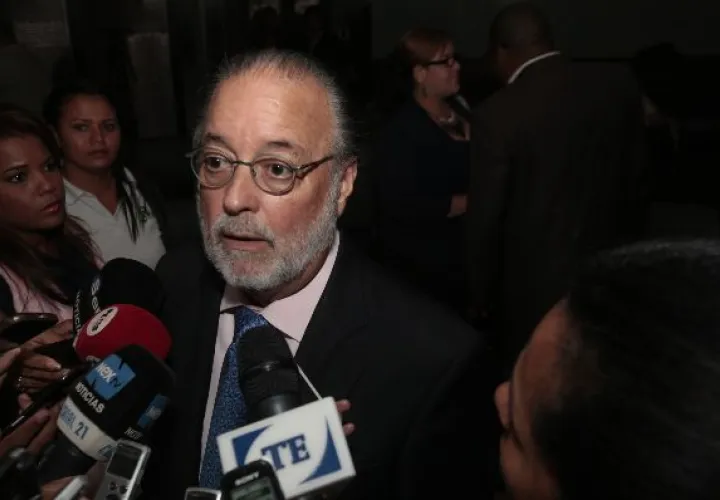
In addition to retake the vote on iron and the choice of deputies of the Central American Parliament. This project has 100 articles, which will be discussed in three blocks and the first of these is Article 1 to 34. "Indeed, we have entered the first debate and it was read out what we consider to be the first block of the first public debate and knowledge to make their considerations," said Deputy Pedro Miguel Gonzalez to explain the methodology. Gonzalez said that various modifications and concerns ceilings, which are below what is required for an application will be evaluated. He also referred to the method of voting in multi-member circuits as one of the controversial points. On the other hand, Erasmo Pinilla, presiding judge of the TE, said that currently "there is a very warm rule on private financing," so it is important that all candidates submit a report affidavit of income, because " no possible audit. " Upon his release from the commission, Judge Eduardo Valdes Escoffery said that those party members who have proposed, must attend the discussion to propose them. "The period to make contributions and it concluded. We made it very clear that this is a draft Reform Commission, and at this stage the only TE moderated" he said. He clarified that the Court only voting in case of a tie, and the project includes a number of improvements.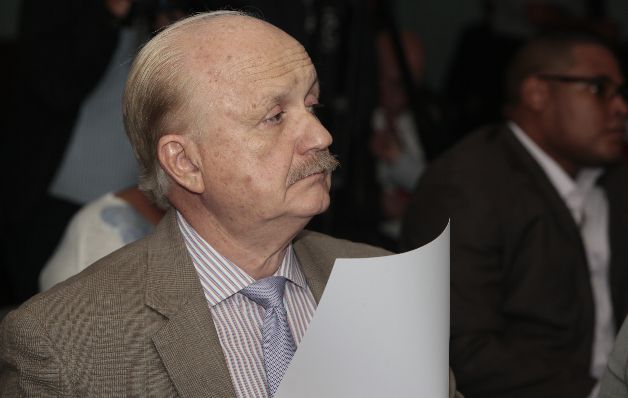
On the funding of independent, she explained that continue with a total of 50 cents per adherents, and halved from 4% to 2%, with eight months to enroll, seven days a week. "Eight months is more than enough".
He argued that the post-election public financing must be justified, and before the rule not contemplated. The initiative amending the Electoral Code is not written in stone. Earlier, Deputy Ruben De Leon said the initiative amending the Electoral Code is not written in stone and there will be an extended period of consultation and debate in the Legislature. "We do not have a document written in stone, we want to hear from the various sectors. We hope to approve this proposal in my term, before the end of April, but it is a process that begins with the participation of all sectors" De Leon said after receiving the proposal.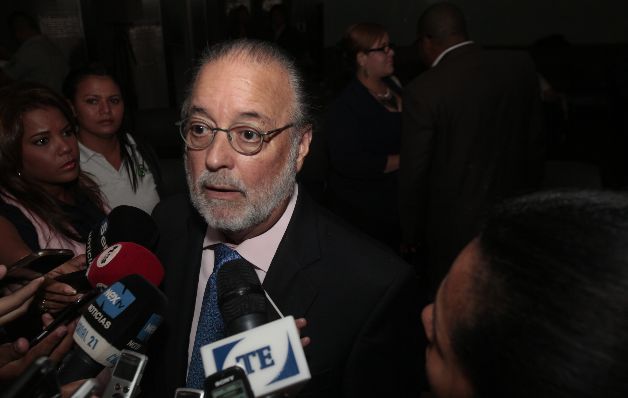
Magistrado del Tribunal Electoral avala derogar polémico decreto
El magistrado del Tribunal Electoral Eduardo Valdés Escoffery aclaró a inicios de esta semana que ha existido la misma prerrogativa desde 1983.
"Tiene casi 33 años. Nosotros vamos a apoyar la derogación de ese componente. No debe estar allí y ha estado allí a espaldas de todos porque a nadie se le ha ocurrido utilizarlo", afirmó Escoffery, tras los duros cuestionamientos de la sociedad civil.
La Comisión Nacional de Reformas Electorales (CNRE), en sus sesiones de trabajo, mantuvo la permisión para cerrar medios de comunicación.
Precio de planes para pautas, los más exorbitantes del mercado
Entre los artículos propuestos objetados se encuentra el 198-J, el cual faculta al TE para aprobar los planes de medios.
Esto no solo sería por los spots y las pautas, sino también las estrategias del candidato del partido al asistir a programas de opinión, entrevistas, explicó uno de los responsables.
Sobre la campaña sucia, quedaría una brecha muy amplia, al dar a los medios la responsabilidad de decidir, ello excluye las facultades de la autoridad, en este caso el TE y la Fiscalía Electoral.
En el periodo de consultas se habló de que también se carece de herramientas legales para que, de manera sumaria, tanto el Tribunal Electoral como la Fiscalía Electoral ordenen la suspensión de una propaganda sucia.
También se objetó el artículo 204-A, que establece sancionar a un medio de comunicación con una multa de 10 veces el valor comercial de una propaganda cuando se realizan actos de campaña en violación de la ley electoral y sus reglamentaciones.
A su vez, la posibilidad del cierre del medio como sanción, pese a que durante las consultas, este punto había sido eliminado.
Se describe además que exista una regulación, pero con equidad y la participación de todos.
El comunicador social Juan Carlos Tapia criticó el hecho de que se haya reducido el periodo electoral a 90 días, con el probable gasto para propaganda, que puede estimarse en $60 millones.
“Va a haber medios que no van a tener la capacidad o que no van a aceptar pautar porque tendrían que sacar a sus clientes comerciales”, afirmó.
Señaló que “es un poder que no lo vislumbramos, pero probablemente vamos a tener a los tres funcionarios con más poder en este país porque podrán manejar $100 millones de dólares a su criterio”.
Rechazan exceso de poder del Tribunal
Los magistrados del TE, luego de haber presentado la iniciativa en la Asamblea Nacional, han debido retractarse sobre sus primeras consideraciones.
Ello, tras un año de consultas en la Comisión Nacional de Reformas Electorales, y adaptando las modificaciones propuestas por los medios.
No obstante, expertos señalan que son varias las fallas cometidas por el TE que deben corregirse.
Incluso, la vicepresidenta del Consejo Nacional de Periodistas (CNP), Rita Vásquez, dijo en su exposición que con este proyecto prevalecía la preocupación por un posible cierre de medios de forma inmediata.
Por su parte, el constitucionalista Miguel Antonio Bernal plantea que el TE ha insistido en violar el tratado del Parlacen, al mantener el control de las candidaturas por la partidocracia.