
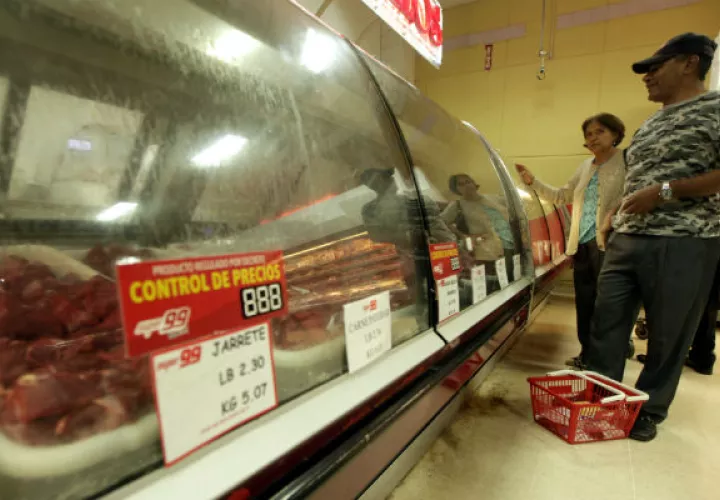
On top of the multitude of criticisms that have been leveled at the policy of price controls, doubts have been raised about the quality of some 22 regulated products, as well as of the family food basket.
Many consumers have admitted that they have been shying away from buying some products due to their perceived low quality. Quality concerns have forced consumers to purchase alternative products, resulting in higher outlays that have turned the government's $58 savings into yet another broken electoral promise.
One example of the low quality of the daily diet of ordinary Panamanians has been a switch from fresh fish two cans of sardines. According to consumer protection bodies, such change in eating habits has caused an increase in sodium intake, which is far from desirable.



According to economist Juan Jovane, the quality of price-controlled cheese is so poor that one can count buyers on the finger of one hand. Additionally, Mr. Jovane criticized the fact that other basic foodstuffs, such as coffee, flour and sugar were not taken into consideration, in spite of being widely consumed. Cooking oil, whose prices skyrocketed by 87% in the last seven years, should also have been regulated, in Mr. Jovane’s opinion.
Another economist, Raul Bethancourt , asked rhetorically whether the price control measure was conceived to help the poor or the rich. Mr. Bethancourt pointed out that it is the middle classes who are suffering most from all price distortions.
In response, the minister for commerce and industry, Augusto Arosemena, announced that a new decree regulating adjustments to the price control measure would be announced today. The minister declare that the government was "aware of the situation that the country was experiencing in relations to staples such as lentils and onions, and that therefore it was evaluating adjustments to the measure to help address real issues".
Contenido patrocinado




Últimas noticias